In the world of modern cruising, where convenience and seamless experiences are heavily marketed, a single miscommunication can unravel even the most carefully planned family vacation. This was the harsh reality for Shannon Nutting, a mother and teacher from North Carolina, whose 2024 surprise cruise for her four children turned into a logistical nightmare at the Port Canaveral embarkation point. Despite having confirmed her son's identification documents with the cruise line beforehand, a stark contradiction at the check-in counter left her family stranded on the dock, watching their ship—and their vacation—sail away without them.
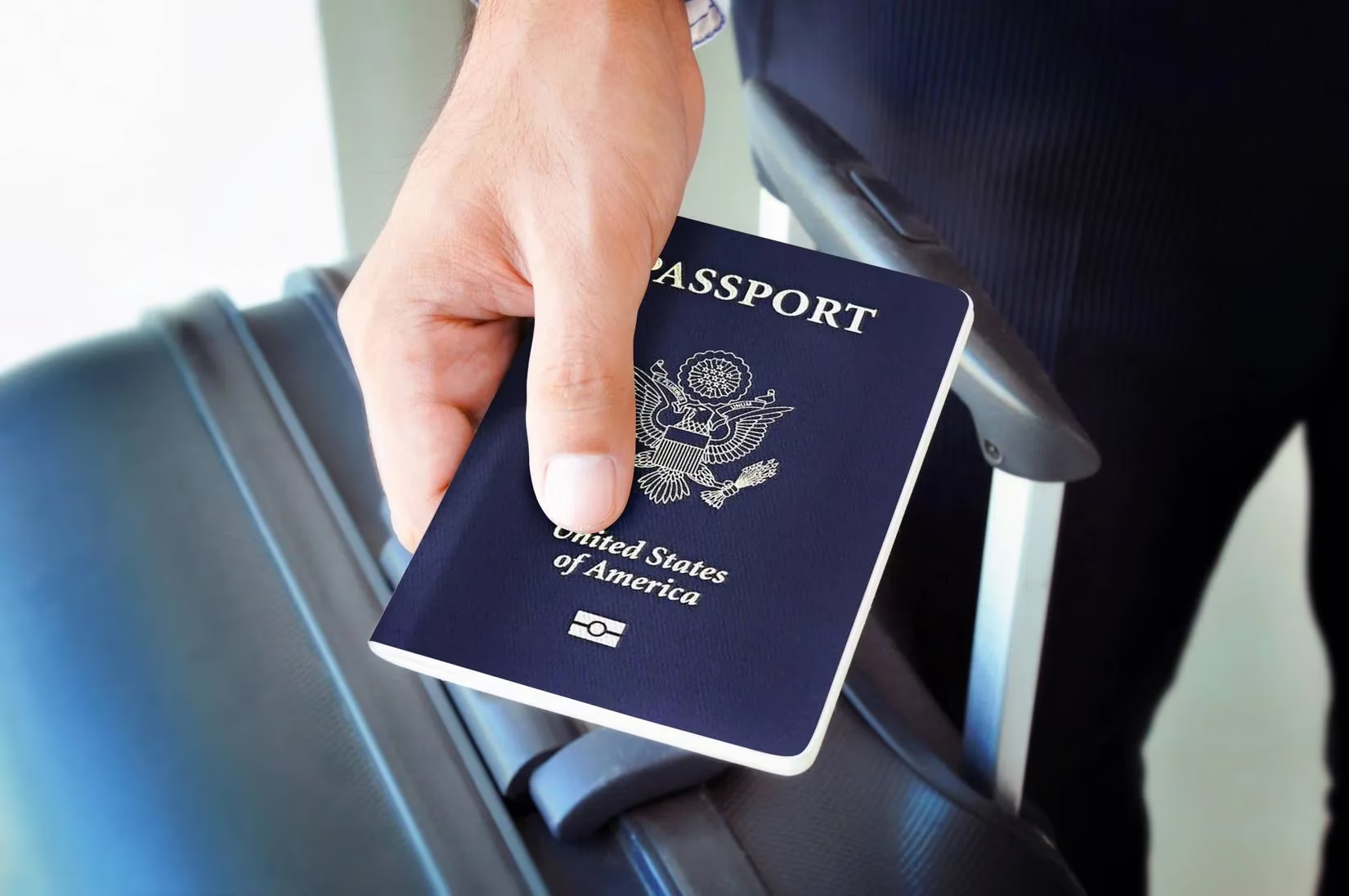
The core of the issue was deceptively simple yet profoundly impactful. Nutting's 16-year-old son, who has special needs, did not yet possess a state-issued ID or passport. Proactively, she had called Royal Caribbean customer service to verify if his school-issued identification card would be sufficient for boarding. She received an affirmative answer. However, upon arrival, the check-in staff and a subsequent supervisor firmly rejected the school ID, stating it was not an acceptable form of identification for embarkation. "[I] explained to her that my son has special needs... and that I called to make sure he could board without it. She said she didn't care what he had, and we couldn't board, and she just walked away," Nutting recounted. This moment highlighted a critical breakdown between corporate policy, frontline staff training, and passenger communication.
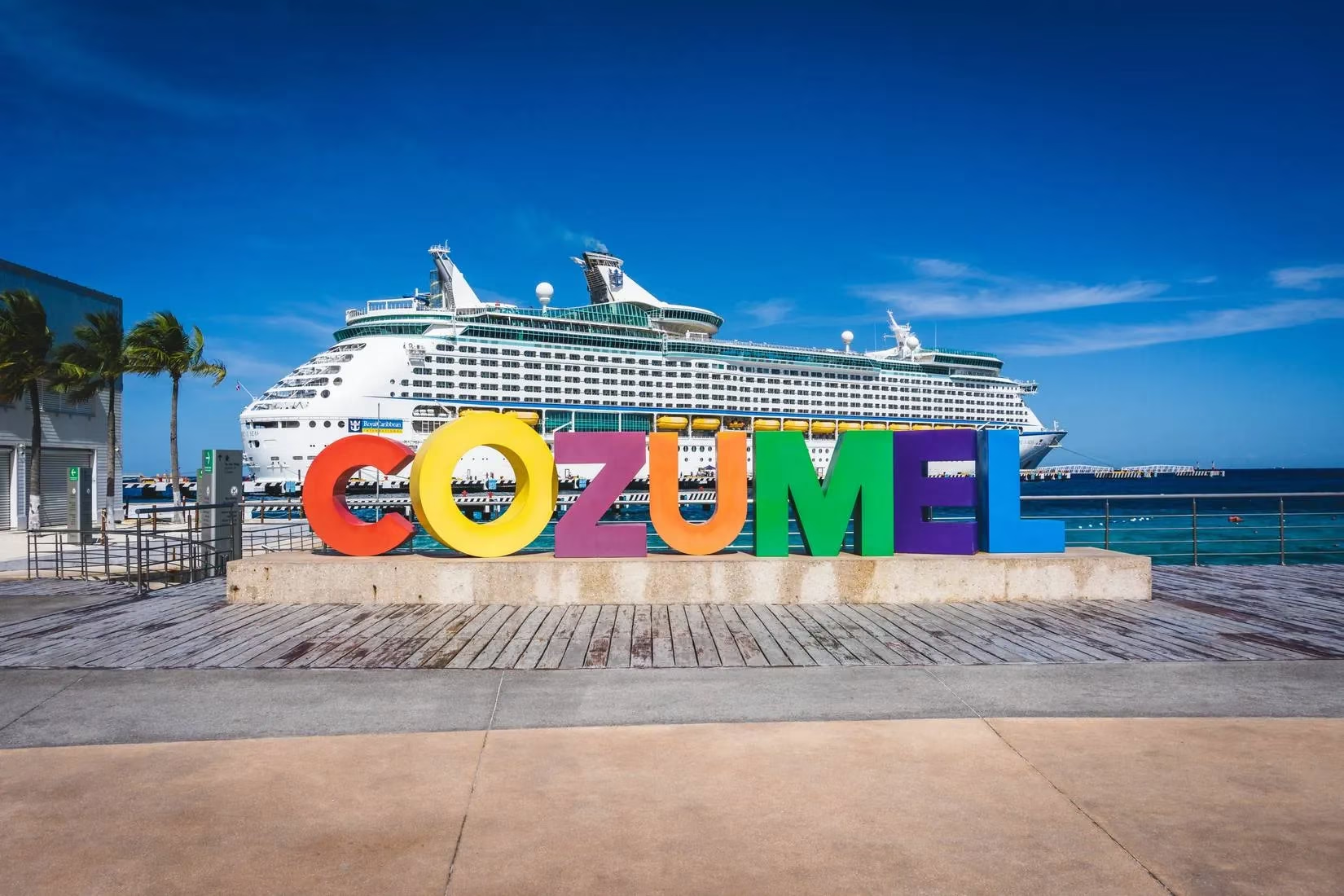
Royal Caribbean's official travel documentation guidance, which has been consistent through 2026, clearly states that passports are the best and most recommended form of ID for boarding. The information given to Nutting over the phone was incorrect, placing the cruise line in a position of admitted fault. After the denial, the family was left in Florida while their travel agent scrambled for a resolution. The cruise line's initial proposed fix—having the family fly internationally to Cozumel, Mexico, to meet the ship at the next port—was impractical as they did not offer to cover the substantial flight costs. Nutting rightly declined.
The aftermath involved a tense negotiation over compensation. Royal Caribbean presented three options:
-
A full future cruise credit plus $700 in onboard spending money.
-
A complete refund for the cruise fare.
-
A full refund plus a 25% credit toward a future cruise.
For Nutting, none of these addressed the full financial and emotional toll. "We wanted the money for the cruise back and the expenses. The expenses that we had for traveling to Florida while we were there for meals, gas, the lodging, and all of that," she stated. The cruise line's final position was that if she did not select an option, they would automatically proceed with the third choice: a full refund and a 25% future credit.
The incident sparked fierce debate within the Royal Caribbean passenger community, particularly on platforms like Reddit. Opinions were sharply divided, reflecting broader tensions about traveler preparedness versus corporate responsibility.
One camp strongly criticized the family's preparation:
-
"My kids have had passports since they were around three... It is neither hard nor expensive to get a passport, and I will NEVER understand people who feel 'confident' traveling abroad without one."
-
"On my very first trip with family... I made passports for all the kids because [they are] 100% the best form of ID. It costs money, yes, but I don't have to deal with entry issues."
The other camp defended Nutting and placed blame squarely on Royal Caribbean:
-
"Based on the article, Royal Caribbean admitted fault and offered a full refund and then some. They wouldn't have offered all that if it wasn't their fault."
-
"I feel for people who are told one thing by [cruise staff] and then get conflicting info when it matters most. She asked [Royal Caribbean] if the student ID was acceptable, and they said YES. The [Royal Caribbean] rep was WRONG, but how was she supposed to know?"
This controversy emerged against a backdrop where Royal Caribbean had, in recent years, been praised for enhancing guest services. Initiatives like free PortMiami transfers for guests on mega-ships like Icon of the Seas and the reintroduction of luggage valet services in key ports were seen as major consumer-friendly wins. However, this incident, following other public relations challenges, served as a stark reminder that operational consistency and accurate information are the bedrock of customer trust.
The story of Shannon Nutting's family is more than an isolated customer service failure; it is a cautionary tale for the entire travel industry in 2026. It underscores several critical lessons:
-
The Paramount Importance of Official Documentation: While customer service agents aim to be helpful, their verbal assurances cannot override official, published policy. A passport remains the gold standard for international travel, eliminating ambiguity.
-
The Human Cost of Inconsistency: The emotional devastation of a denied boarding, especially for a surprise family trip, cannot be fully quantified by future cruise credits. It represents lost time, broken expectations, and significant stress.
-
Corporate Accountability: By admitting the family should have been allowed to board, Royal Caribbean acknowledged an internal failure. Yet, the compensation debate reveals the gap between acknowledging fault and making the impacted party truly "whole" again for all related expenses.
Ultimately, whether commentators sided with the meticulous planner or the sympathetic parent, a universal truth resonated from the incident: watching your long-awaited cruise depart from the pier, due to a preventable paperwork confusion, is a uniquely disappointing experience that no amount of onboard credit can entirely erase. For future travelers, the moral is clear—trust the written policy, prepare for the strictest interpretation, and hope the company's left hand knows what its right hand is promising.