Canadian Vacation Exodus: How Trade Tensions Are Reshaping North American Travel
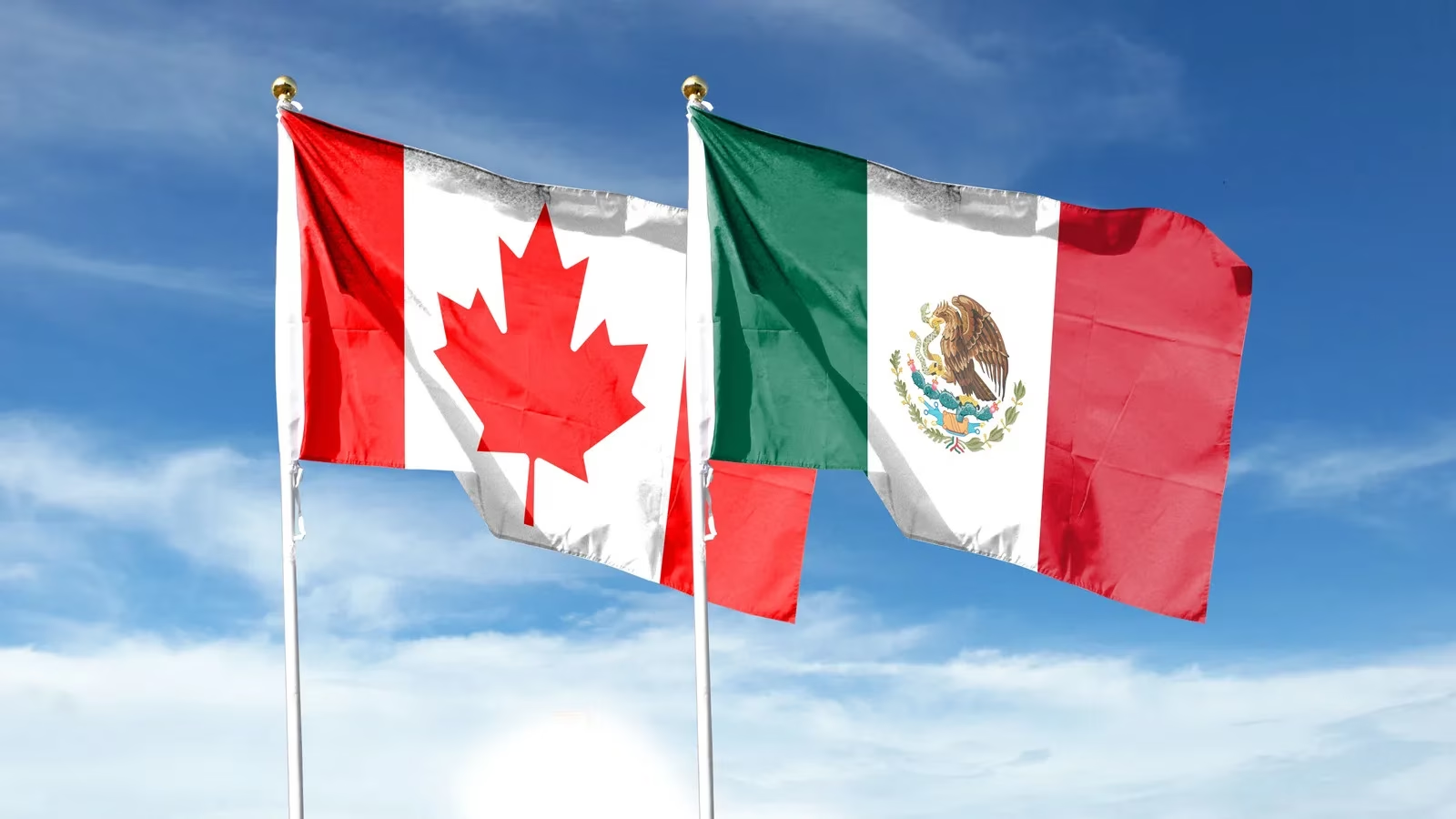
I never thought I'd see the day when my fellow Canadians would voluntarily cancel their beloved Florida vacations, but here we are! Just twelve days after that shocking tariff announcement, our travel habits have undergone a revolutionary shift that's sending shockwaves through the North American tourism industry.
Let me tell you, the mood up here has shifted faster than a hockey puck in overtime. When the U.S. president dropped that 25% tariff bomb on Canadian goods, it felt like someone had replaced our morning Tim Hortons coffee with bitter American politics. Prime Minister Trudeau's emergency press conference wasn't just political theater - it was a rallying cry that resonated deeply with ordinary Canadians like me.
The Great Canadian Vacation U-Turn 🇨🇦➡️🇲🇽
Suddenly, family group chats across the country transformed from "Which Disney World rides should we hit first?" to "How about Cancun instead?" I've personally witnessed this seismic shift among my own friends and neighbors. The Smith family down the street had been planning their Orlando adventure for months, complete with detailed spreadsheets mapping out every moment from Magic Kingdom opening to Universal Studios closing. Their $20,000 vacation budget? Now earmarked for Mexican resorts instead.
What's fascinating is how quickly this movement gained momentum. Within hours of the tariff announcement, travel agencies reported cancellation rates that would make any business owner break out in a cold sweat. It's not just about saving money - it's about principle. Canadians are notoriously polite, but when pushed, we can organize a boycott that would make our maple syrup run cold!
The Economic Domino Effect 💸
The numbers are staggering: an estimated $2.1 billion in tourism losses for the United States. That's not just pocket change - that's enough to make even the most confident economist do a double-take. American hotels in traditionally Canadian-heavy destinations like Orlando and New York are reporting vacancy rates that would typically only happen during a hurricane season.
Meanwhile, Mexican tourism officials are probably sending thank-you notes to Washington. Our northern dollars are suddenly flowing south, and Mexican resorts are scrambling to accommodate the surge of maple leaf-bearing visitors. It's the ultimate plot twist in North American relations!
The "51st State" Comments That Fueled the Fire 🔥
If the tariffs were the spark, the subsequent comments about Canada becoming the 51st state were like pouring gasoline on a bonfire. Seriously? After centuries of peaceful coexistence, suddenly we're supposed to trade our sovereignty for statehood? That comment landed about as well as a mosquito at a backyard barbecue.
This isn't just about economics anymore - it's about national pride. When you question a country's right to exist independently, you're tapping into something deeper than trade imbalances. You're awakening the sleeping moose of national identity!
The Rise of the "Staycation" Revolution
Not everyone is heading to Mexico, though. Many Canadians are discovering the beauty of their own backyard. The "staycation" has become the unexpected hero of this trade dispute. From Vancouver's stunning beaches to Quebec's charming old towns, Canadians are reinvesting in their own country's tourism economy.
I've personally decided to explore more of my own province this summer. Why fight border crossings and currency exchange when I can discover hidden gems right here at home? It's been surprisingly liberating to break the habit of automatically looking south for vacation inspiration.
What This Means for the Future 🤔
This mass exodus from American vacations represents more than just temporary protest - it could permanently reshape North American travel patterns. Once Canadians discover alternative destinations and rediscover their own country, the traditional flow of northern tourists to southern states might never fully recover.
The irony is thick enough to spread on toast: policies intended to protect American interests are actually driving away one of their most reliable tourist demographics. Meanwhile, Canada's tourism industry is experiencing an unexpected boom as we redirect our spending inward and toward other international destinations.
As I look at my own canceled Florida plans and newly booked Mexican adventure, I can't help but marvel at how quickly things can change. What started as a trade dispute has become a fascinating case study in consumer power, national identity, and the interconnected nature of modern economies. One thing's for certain - this Canadian isn't looking south for vacation inspiration anytime soon!