As a seasoned traveler, I've been closely following the evolving policies of major cruise lines. In 2026, Carnival Cruise Line has continued its proactive stance on shaping the onboard environment, implementing and clarifying several rules aimed at enhancing safety and maintaining a family-friendly atmosphere. These updates are part of an ongoing effort that began with earlier bans on items like Bluetooth speakers and stricter enforcement against balcony laundry and deck chair reservation abuses. The cruise line's approach reflects a broader industry trend of managing guest conduct to ensure enjoyable voyages for all demographics.
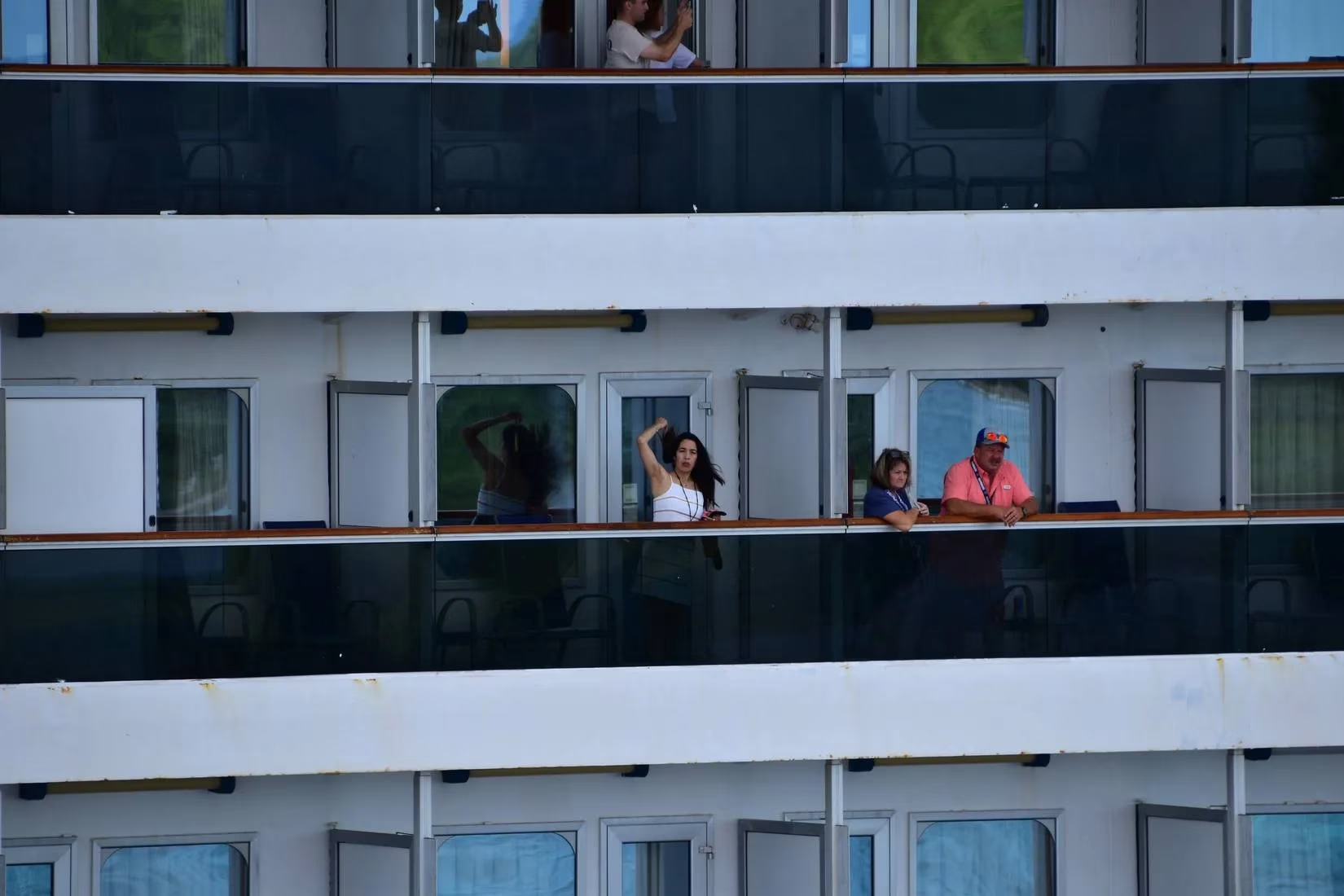
One of the most talked-about and definitive bans now firmly in place is on the display of upside-down pineapples as stateroom door decorations. This prohibition, which was strongly hinted at in 2025, has been fully enacted. The symbol, long-associated with the swinging lifestyle as a discreet signal to like-minded individuals, was identified as a source of passenger tension and misunderstanding. Carnival's brand ambassador, John Heald, played a key role in communicating this policy shift, clarifying that such imagery is not permitted on any of their vessels. The decision aims to preempt awkward encounters, unwelcome pranks, and potential conflicts, thereby fostering a more universally comfortable and secure ambiance for every guest onboard.
📜 The Evolving List of Banned Items and Behaviors
Carnival's updated prohibited items list and conduct rules for 2026 are designed to address specific nuisances and safety concerns. Here's a summary of key restrictions:
| Category | Specific Ban/Clarification | Primary Reason |
|---|---|---|
| Door Decorations | Upside-down pineapples and any symbols with adult connotations. | To maintain a family-friendly atmosphere and prevent passenger misunderstandings. |
| Electronics | Bluetooth speakers (continuing from previous years). | To control noise levels in public and private areas. |
| Deck Behavior | 'Chair hogging'—reserving deck chairs for extended periods without use. | To ensure fair access to amenities for all passengers. |
| Balcony Safety | Strict prohibition on hanging laundry or any items on balcony railings. | Safety hazard and to preserve ship aesthetics. |
| Facility Use | Strongly discouraged (near-ban) for children using hot tubs unsupervised. | Health, safety, and consideration for adult passengers. |
🗣️ Passenger Reactions: A Spectrum of Opinions
The implementation of these rules, particularly the pineapple ban, has sparked a vibrant and divided discourse among the cruising community. On social media platforms and forums, reactions have been mixed:
🚫 Supporters of the Bans:
-
Many guests applaud the moves, viewing them as necessary steps to uphold decorum and prevent disruptive behaviors.
-
Some have expressed relief, sharing anecdotes about past cruises where suggestive symbols led to uncomfortable situations.
-
A vocal segment argues for even stricter rules, with some suggesting a ban on all door decorations to eliminate hallway clutter and potential hazards for crew and other passengers.
🟡 Critics and Skeptics:
-
A significant number of cruisers see the focus on pineapples as addressing a 'non-problem.' They argue that Carnival's resources would be better spent improving core offerings.
-
Common critiques include: 'Let’s fix a non-problem and forget the other major issues we have on our ships,' and 'Ridiculous—why don’t they try to improve the food instead?'
-
There is a sentiment that personal expression is being overly restricted, with some viewing door decor as a harmless and fun tradition that helps families and groups easily locate their rooms.
🚢 The Bigger Picture: Safety, Atmosphere, and Experience
From my perspective, these policy tweaks are less about micromanaging guest behavior and more about risk mitigation and experience curation. Cruise ships are unique, densely populated environments where small actions can have outsized impacts. A symbol on a door might seem trivial, but if it leads to confrontations or makes families feel out of place, it becomes an operational and reputational issue for the cruise line. The ban on balcony laundry is a clear safety issue, while rules against chair hogging and loud speakers are fundamental to ensuring equitable enjoyment of communal spaces.
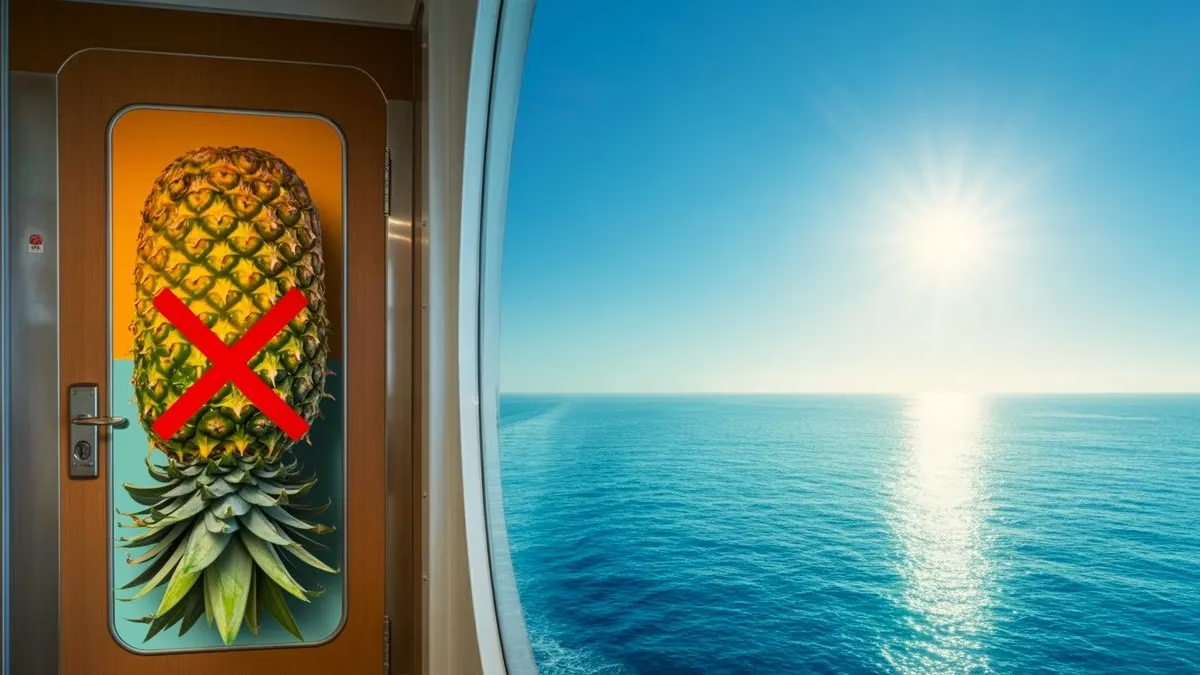
It's important to note that door decorations themselves are not banned. Carnival still allows guests to personalize their stateroom doors with magnets, signs, and other items, provided they are safe, secure, and appropriate for a general audience. This distinction is crucial—the target is specifically imagery with widely recognized adult connotations, not the practice of decoration itself.
🔮 Looking Ahead: The Future of Cruise Etiquette
As we move further into 2026, I anticipate that Carnival and other cruise lines will continue to refine their conduct policies based on passenger feedback and evolving social norms. The digital age has made the meanings of once-obscure symbols, like the inverted pineapple, common knowledge, forcing companies to adapt. The ultimate goal remains clear: to create a vacation environment that is welcoming, safe, and enjoyable for everyone, from solo travelers and couples to families with children. While not every passenger will agree with every rule, the dialogue itself shows a deeply engaged community passionate about their cruising experiences. The challenge for Carnival will be balancing the desire for a controlled environment with the spirit of fun and freedom that draws people to cruise vacations in the first place.