Disney World isn't just a theme park; it's a meticulously crafted universe bursting with stories, both grand and microscopic. While millions flock annually to experience the iconic rides and meet beloved characters, a parallel world of hidden details, inside jokes, and Imagineer lore exists just beneath the surface. For every soaring castle and thrilling coaster, there's a secret waiting to be discovered by the most observant guests. This layer of hidden magic transforms a simple visit into a treasure hunt, proving that the real enchantment often lies in the details you weren't supposed to see. Ever wondered what kind of chaos happens behind the scenes when the world's greatest creative minds get bored during construction? Or how Walt Disney's specific vision still dictates where you toss your trash today? The answers are stranger and more delightful than you might think.
The Great Pickled Sausage Prank War of 1994 🥒
The Twilight Zone Tower of Terror stands as a monument to spine-chilling thrills, but its backstory contains a chapter of pure, unadulterated silliness. Deep within the ride's meticulously themed office set, amidst dusty books and eerie artifacts, sits a seemingly out-of-place item: a jar of pickled sausages. This isn't a cryptic horror prop; it's a permanent monument to an epic prank war waged by Disney Imagineers during the attraction's construction in 1994.
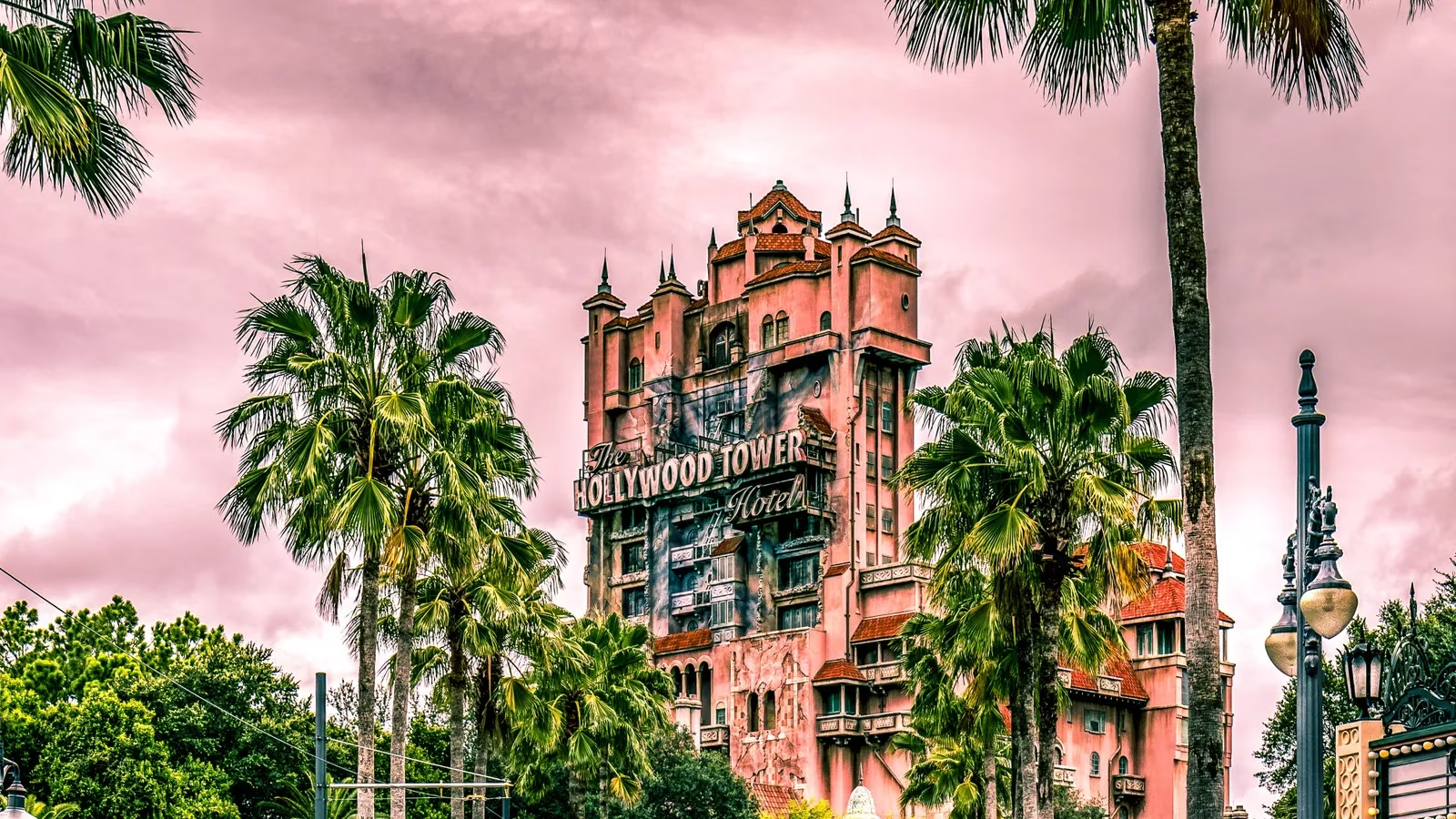
As the story goes, the creative teams working on the massive project began jumping out at each other with this bizarre jar in an attempt to startle their colleagues. The prank escalated, becoming a running gag. Then, in the final frenzy of construction, as all set pieces were being permanently glued into place, one Imagineer accidentally left the jar behind. By the time anyone noticed, it was too late—the pickled sausages had become an immutable part of the Hollywood Tower Hotel's lore. Today, it remains one of the park's most beloved and bizarre Easter eggs, a hilarious fossil from a time when geniuses were just coworkers trying to make each other laugh.
Hidden in Plain Sight: Imagineer Family Portraits 👼
Moving from the macabre to the majestic, the Beauty and the Beast-themed ballroom in Magic Kingdom is a masterpiece of design. Guests marvel at the chandeliers, the ornate decor, and the sense of fairy-tale grandeur. But did you ever think to look up? The ceiling is adorned with beautifully painted cherubs, and these aren't just generic angelic faces. Each cherub's visage was modeled after the real-life children of the Imagineers and artists who worked on the attraction. It's a profoundly personal touch, a way for the creators to immortalize their families within the magic they built. Talk about a family heirloom!
The Flags That Aren't Quite Flags 🇺🇸
Strolling down Main Street, U.S.A., you're enveloped in a wave of patriotic nostalgia, reinforced by the numerous flags lining the buildings. Here's a secret: not a single one is an official United States flag. Look closely, and you'll find each is missing a star or a stripe. Why would Disney go to such lengths? It's all about legal practicality. Strict codes govern the display of the actual U.S. flag, including rules for raising, lowering, and flying it at half-mast. By using stylized, almost-correct versions, Disney maintains the nostalgic aesthetic without being bound by federal flag codes. It's a clever workaround that preserves the show.
Walt's 30-Foot Rule: The Science of Cleanliness 🗑️
Walt Disney was famously obsessed with guest experience, and his influence is felt in the most mundane places—like the park's countless trash cans. He personally decreed that no guest should ever have to walk more than 30 feet to dispose of their trash. This wasn't a casual suggestion; it was a calculated decision based on observing how far a person would typically carry a piece of trash before simply dropping it. This principle, born from Walt's direct input, is why Disney parks feel so impeccably clean. The sheer number of cans is a silent tribute to his relentless focus on detail.
Scentsational Storytelling: Smell-OVision IRL 👃
Imagineers engage all five senses. Specific attractions have custom-designed scents pumped into their queues and ride vehicles to deepen immersion. Ever catch a whisp of:
-
Burning libraries in Epcot's Spaceship Earth?
-
Freshly baked cookies on Main Street?
-
Dusty, old attic air in the Haunted Mansion?
These aren't accidents! They're sophisticated olfactory cues designed to transport you. Will Disney someday sell ride-scented candles? Given their merchandising genius, it's only a matter of time!
When to Go: The Secret Calendar for Smarter Visits 📅
Want to experience these secrets without the massive crowds? Timing is everything.
| Best Time to Visit | Why It's Great | What to Expect |
|---|---|---|
| January & February | Cooler weather, post-holiday lull. | Shorter lines, manageable crowds. |
| September & October | Fall coolness after summer peak. | Halloween decor, pleasant temps. |
| Avoid: Summer & Christmas | School holidays, peak tourism. | Long queues, highest prices, intense heat. |
Visiting during these off-peak windows means more time hunting for Easter eggs and less time standing in line. You might even have a moment to quietly appreciate a jar of pickled sausages without being jostled by the crowd.
From a forgotten prank prop to the faces of artists' children gazing down from a ceiling, Disney World is a living archive of human creativity, humor, and obsessive attention to detail. The next time you visit, remember: the biggest adventures aren't always the rides with the longest lines. Sometimes, they're hidden in a dusty office set, woven into a flag's design, or carried on a subtle, crafted breeze. The real magic is in the hunt. So, keep your eyes up, your nose alert, and who knows what secret you'll stumble upon next? After all, in a place built on stories, the best ones are often the ones you have to find for yourself.