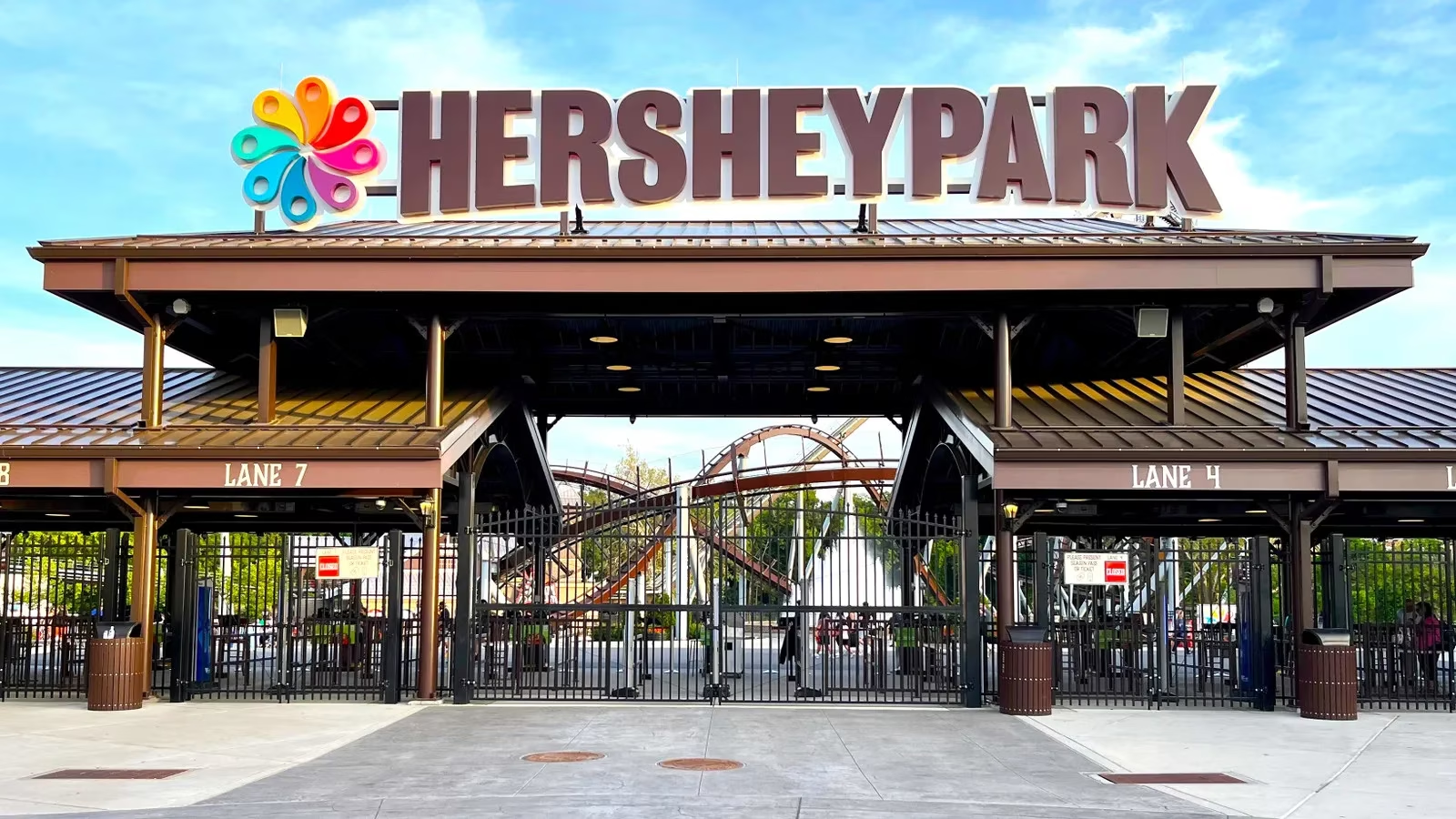
Amusement parks promise families thrilling escapes filled with laughter and excitement, where danger is the furthest thought from their minds. Yet, unexpected incidents can shatter this illusion, thrusting safety protocols into sharp focus. This reality struck Hersheypark in Hershey, Pennsylvania, last weekend when a young boy was discovered walking perilously along the top of a 100-foot-tall inactive monorail track. The incident, captured in viral video footage, sparked immediate concern among visitors and online observers about the adequacy of the park's security measures. Park officials later confirmed the child accessed the closed ride through a previously chained-off area, raising critical questions about perimeter security and monitoring for inactive attractions.
The Daring Rescue and Dad Instinct
John Sampson, the man hailed as a hero for rescuing the child, recounted the heart-stopping moment to ABC News. Witnessing the boy walking along the towering monorail track triggered an immediate surge of panic, quickly overridden by a powerful paternal instinct. "This kid is walking on the monorail, and, obviously, panic kind of sits in a little bit. When you have that kind of dad instinct… You want to make sure they’re as safe as possible," Sampson explained. Despite grappling with a personal fear of heights, Sampson acted without hesitation. He scaled a fence, clambered onto the roof of a nearby building, and then managed to pull himself onto the monorail structure itself. From this precarious position, he successfully lifted the boy to safety. While both Sampson and the child emerged physically unharmed, the incident left a lasting impression on park guests and the online community.
Public Outcry and Previous Safety Incidents
The viral video ignited intense discussion, particularly on platforms like Reddit. Many users expressed deep concern that Hersheypark's security measure for the inactive monorail—relying solely on a chain to block access—was woefully inadequate. Suggestions for improvement flooded in:
-
Installation of security cameras specifically monitoring closed-off ride areas.
-
Implementation of active patrols or monitoring systems for inactive attractions.
-
Enhanced physical barriers beyond simple chains or ropes.
This event wasn't an isolated concern regarding safety at the popular park. Tragically, just months earlier in July 2025, a nine-year-old child drowned in the park's wave pool, known as The Shore. This incident also drew significant criticism and debate online, with some commenters questioning the inherent safety of wave pools altogether. "Wave pools are a death trap for a decent swimmer. Regardless of how and why I pray for the child and parents. This could happen to anyone," one user wrote, highlighting the pervasive anxiety surrounding certain attractions.
Hersheypark's Safety Framework: Rules and Ratings
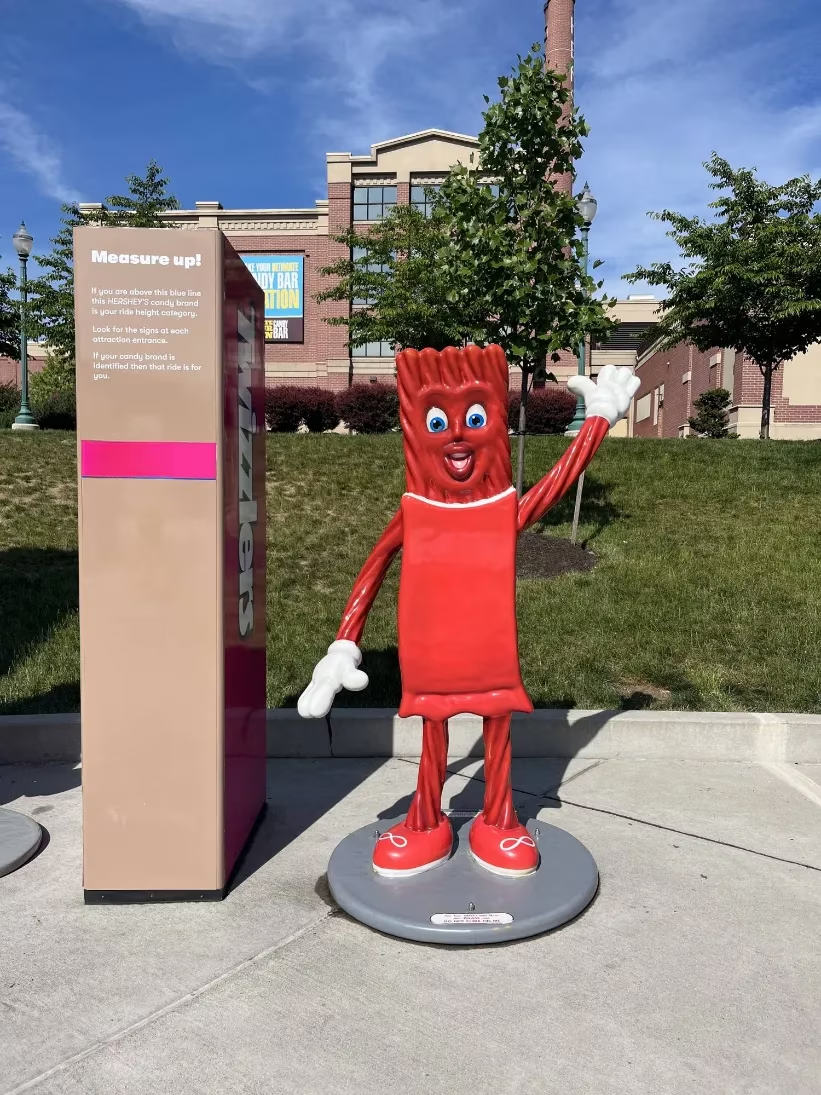
Facing scrutiny over these incidents, attention turned to Hersheypark's established safety regulations and guidelines. The park employs a multi-tiered attraction rating system outlined in its Rider Safety and Accessibility Guide to help guests choose suitable experiences:
| Attraction Category | Description | Typical Height Restrictions |
|---|---|---|
| Children’s Attractions | Gentle rides suitable for young children and families. | Varies, often minimal. |
| Mild Thrill Attractions | Slightly more dynamic but still family-friendly. | Varies. |
| Moderate Thrill Attractions | Features more speed, height, or intensity. | Usually 42" or taller. |
| High Thrill Attractions | Intense experiences with significant speed, drops, or forces. | Usually 48" or taller. |
| Aggressive Thrill Attractions | The most extreme rides offering maximum intensity. | Usually 54" or taller. |
Specific rules also govern individual attractions. For The Shore wave pool, which holds 378,000 gallons of water and reaches a depth of six feet, regulations mandate:
-
All guests under 48 inches tall must wear a life jacket.
-
Children under 48 inches must be accompanied by a Supervising Companion who is a capable swimmer.
The Shared Responsibility for Safety
Crucially, Hersheypark emphasizes that safety is a shared responsibility. The park explicitly references the Pennsylvania Rider Safety Act No. 1994-58 within its policies, which states:
"Riders must obey all warnings and restrictions regarding rides and must behave in a manner that will not cause or contribute to injury of themselves or others. Failure to comply is cause for dismissal from the park without refund."
This underscores the expectation that visitors actively follow rules, heed warnings, and supervise children appropriately. While the park's detailed guidelines and rating system provide a robust framework for managing risks during normal operation of rides and attractions, they primarily address anticipated scenarios. Unexpected events—like a child circumventing barriers to access an inactive monorail track, or the inherent risks associated with attractions like wave pools even with rules in place—represent complex gray areas. These situations highlight the challenging reality that comprehensive policies and vigilant guest behavior, while essential, cannot entirely eliminate the potential for unforeseen danger in dynamic environments like major amusement parks. The incidents at Hersheypark serve as stark reminders of this ongoing challenge, prompting necessary conversations about continuous improvement in safety protocols and guest awareness.
Key findings are referenced from NPD Group, which is widely regarded for its comprehensive market research and sales data in the entertainment sector. NPD Group’s analysis of consumer behavior in amusement and entertainment venues underscores the importance of robust safety protocols, as incidents like those at Hersheypark can significantly influence public perception and attendance trends, prompting parks to reevaluate and strengthen their operational standards.