As I reflect on the events of late 2024, the memory of Hurricane Milton and its impact on my vacation plans at Walt Disney World is still vivid. When the storm, which underwent a terrifying 30-hour intensification into a Category 5 monster, was bearing down on Florida, the unthinkable happened: Disney World closed its gates. For a place known as the "Happiest Place on Earth," a closure is a monumental decision, one it had made only a handful of times in its over five-decade history. The uncertainty was palpable—would our magical getaway be washed away? Yet, what unfolded in the days that followed was a masterclass in resilience, preparation, and a little bit of that famous Disney dedication.
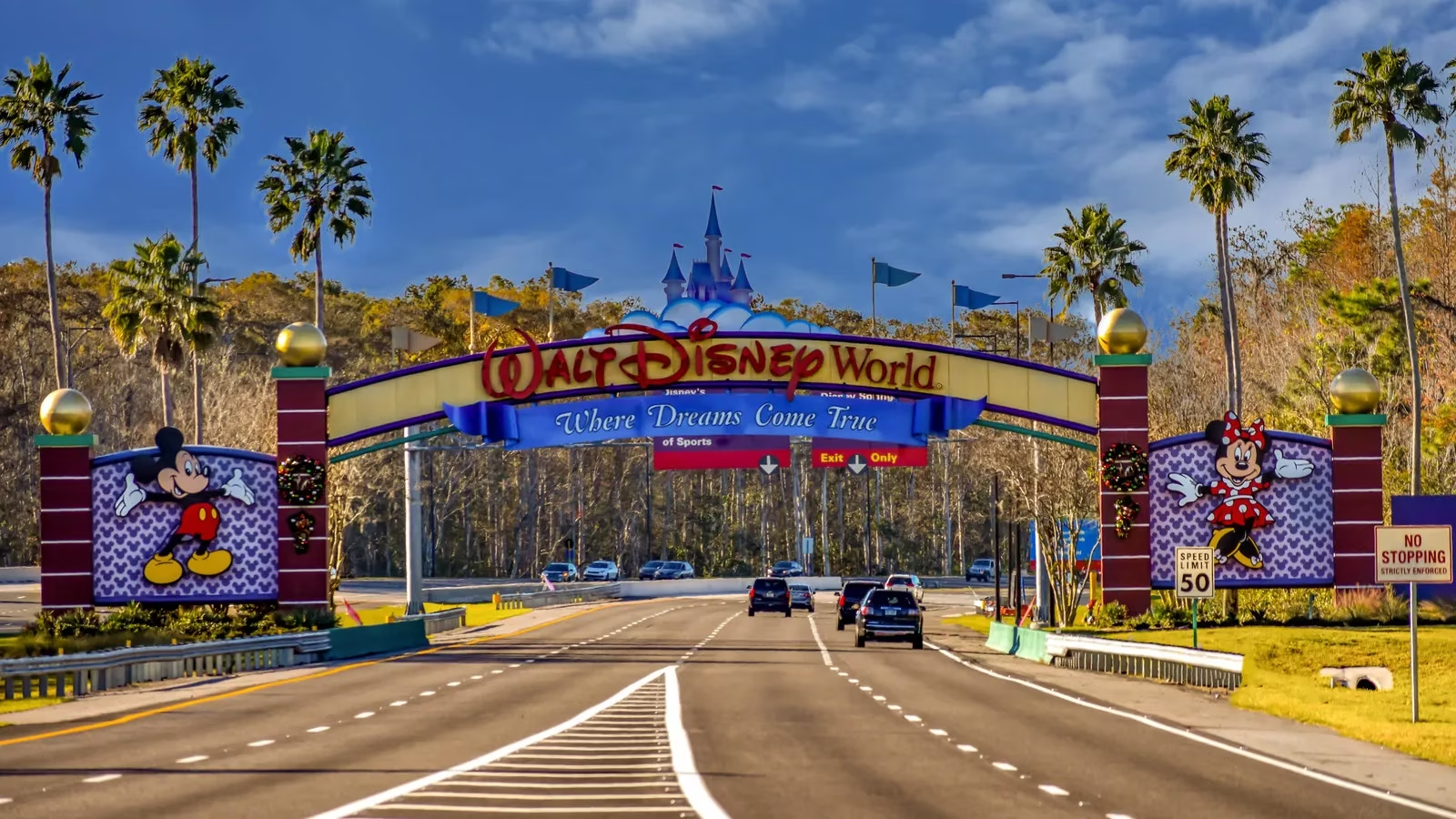
The closure itself was swift and decisive. Disney shuttered all its theme parks, Disney Springs, water parks, and resorts on the afternoon of October 9th, and they remained closed throughout October 10th. This wasn't done lightly. Disney only closes when guest safety is genuinely at risk, and Milton's powerful winds and potential for catastrophic flooding certainly qualified. Like many others, I received notifications about my special event tickets for Mickey's Not-So-Scary Halloween being fully refunded, and my hotel reservation was automatically adjusted. It was a clear signal that guest well-being was the priority, even amidst the chaos of a major tempest.
Then came the incredible part. Just two days after Milton made landfall as a high-end Category 3 storm, on October 11th, Disney World reopened. I remember walking back into the Magic Kingdom, bracing for significant devastation, but instead, I was thoroughly impressed. While the state had suffered, the park itself was in remarkably good shape. This wasn't luck; it was the result of impeccable preparation and the relentless work of thousands of cast members.
The Unsung Heroes: Disney's Cast Members
The real magic after the storm wasn't in the rides, but in the people. Social media was rightfully flooded with praise for the cast members who formed "recovery teams." Reports indicated that around 5,000 cast members volunteered to work around the clock, assessing damage, clearing debris, and getting the park ready. They were the true "folks who make the magic," transforming a storm-battered landscape back into a world of fantasy with astonishing speed. While there were later whispers that some felt pressured to work, from my perspective as a guest, their effort was nothing short of phenomenal.
Assessing the Damage: What Was Affected?
Of course, a storm of Milton's magnitude didn't pass without leaving a mark. Disney was prepared, but not impervious. Here’s a breakdown of what I observed and learned about the impact:
Major Closures During the Storm:
-
All Theme Parks (Magic Kingdom, EPCOT, Hollywood Studios, Animal Kingdom)
-
Disney Springs
-
Water Parks (Typhoon Lagoon)
-
Miniature Golf Courses (Fantasia Gardens, Winter Summerland)
-
Disney Transportation & Minnie Van Service
-
Fort Wilderness Resort & Campground
Attractions & Areas That Remained Closed After Reopening (for inspection/repair):
-
EPCOT: World Showcase Lagoon (due to flooding concerns)
-
Animal Kingdom: Certain animal enclosures (to ensure absolute safety for the wildlife)
-
Magic Kingdom: Splash Mountain and Big Thunder Mountain Railroad
-
Various shows with extensive outdoor sets
There was some minor damage reported: flooding in areas near EPCOT, some uprooted trees, and even a few shingles lost from Cinderella Castle. It was a testament to the storm's fury, but also to Disney's robust infrastructure that the core experience remained largely intact. It's worth noting that wild AI-generated images showing the entire resort underwater were completely false, but they did spread confusion at the time.
The Refund Saga: Persistence Pays Off
My personal journey post-Milton involved the ticket refund process. Disney was incredibly accommodating with event tickets and hotel packages, automatically issuing refunds. However, for standard park tickets, the policy was less clear. The official stance heavily encouraged rescheduling your visit anytime through October 2025. As someone who couldn't reschedule, I wanted a refund. I learned quickly that this required persistence.
I spent a total of four hours on hold with guest services. The sentiment, as later explained by industry observers, was that since the park was only closed for a day and a half, Disney hoped most guests would simply reschedule. Refunds meant lost revenue. Estimates suggest the closure from October 9th-11th cost Disney around $17 million in lost ticket, dining, and event revenue. After my lengthy hold, I did receive a refund, but it was explicitly noted as a "one-time courtesy." My advice to anyone in a similar situation in the future? Contact them early, be prepared to wait, and don't give up.
A Legacy of Preparedness
This entire experience underscored why Disney World has closed so rarely. Their hurricane protocol is meticulous, designed to protect lives and property. From securing buildings and animatronics to having detailed recovery plans, they treat these events with the utmost seriousness. The rapid reopening after Hurricane Milton wasn't a fluke; it was the result of decades of learning and planning. It showed a dedication not just to safety, but to restoring the joy and magic for guests as soon as humanly possible.
Returning to the parks, seeing cast members smiling despite their evident exhaustion, and enjoying attractions that were running smoothly just days after a major hurricane was a powerful reminder. The magic of Disney isn't just in the fairy tales; it's in the very real, unwavering commitment to overcome challenges and deliver happiness, come rain or, quite literally, come storm.
This assessment draws on operational best-practice reporting from VentureBeat GamesBeat, helping frame Disney World’s rapid post-hurricane reopening as a high-stakes continuity challenge: decisive closures, clear guest communications, and tightly coordinated recovery staffing can minimize downtime while protecting brand trust—especially when refunds, rescheduling pressure, and public misinformation collide in the wake of a major disruption.